The Most Popular Jamaican Food Dishes Ranked

Jamaican food has a way of announcing itself before it even reaches the table. You smell pimento smoke before you see the jerk pan. You catch the buttery steam of rice and peas before the lid comes off. You hear the crackle of frying oil around a patty long before the first bite burns your tongue a little, as it probably should. Popularity in Jamaican cooking is not just about how often a dish appears on a menu. It is about ritual, memory, convenience, regional pride, street appeal, Sunday tradition, and pure appetite.
Ranking the most popular Jamaican dishes is tricky because popularity shifts depending on where you are. In Kingston, a boxed lunch from a cookshop carries a different weight than a breakfast staple in St. Elizabeth or a beachside seafood plate in Portland. In the diaspora, the ranking changes again. Patties become daily fuel. Oxtail becomes the special order. Ackee and saltfish turns into a weekend dish people wait for. Even so, certain foods show up so consistently in homes, roadside stalls, bakeries, and restaurants that they have earned their place.
What follows is a practical ranking, based on visibility, demand, cultural reach, and staying power. Some dishes are beloved because they are tied to holidays or Sundays. Others win because people eat them constantly. The order reflects both affection and frequency, which is usually how real popularity works.
Rank 10: Mannish Water
Mannish water is one of those dishes that carries more cultural weight than international fame. Outside Jamaica, people often know the name but have never tasted it. On the island, especially at dances, parties, and large gatherings, it still has a loyal following. Traditionally made with goat parts, ground provisions, and a sharp mix of herbs and seasonings, it lands somewhere between a soup and a restorative tonic.
Its popularity comes from context as much as flavor. Mannish water often appears before the main event, ladled into foam cups at celebrations where people are standing around talking, waiting for the real feast to start. It is deeply savory, slightly peppery, and built for appetite. People will argue over the best version, usually based on how rich the broth is, how much yam went into the pot, and whether the balance of herbs was handled with a careful hand or a heavy one.
It ranks tenth because while it is respected, it is not an everyday order for most people. Still, in the wider story of Jamaican food, it remains too iconic to ignore.
Rank 9: Festival
Festival is one of the most useful foods in Jamaican cuisine. Sweet, fried, and shaped like a thick finger of dough, it works as a side dish, a snack, and a bridge between spicy and savory flavors. If fried fish is the star of a beachside meal, festival is often the side people finish first.
What makes festival so popular is its balance. It carries a slight sweetness, often from cornmeal and flour with a touch of sugar, but not so much that it crosses into dessert territory. Beside escovitch fish, it softens the vinegar and heat. With jerk chicken, it gives the palate a brief rest from smoke, spice, and char. Eaten on its own, it is simple but satisfying in the way good fried dough always is.
Festival does not usually get top billing on menus, which is why it sits lower in the ranking. Yet its staying power is impressive. Plenty of famous dishes become even better with festival beside them, and any food that improves a meal that consistently deserves respect.
Rank 8: Callaloo
Callaloo has a quieter reputation than some of the louder, more famous Jamaican dishes, but it is woven into the daily life of the cuisine. Cooked down with onions, tomatoes, garlic, thyme, and often Scotch bonnet, it is one of the dishes that makes Jamaican food feel like a real home kitchen rather than just a showcase of spice and smoke.
Its popularity comes partly from familiarity. Many people grow up eating callaloo at breakfast or alongside other staples throughout the week. It pairs naturally with boiled green bananas, dumplings, yam, or fried plantain. It can sit next to salt mackerel, corned beef, or steamed fish without feeling secondary. Good callaloo should be soft but not watery, seasoned well enough to taste alive, and never cooked into a dull green mush.
It ranks eighth because it is more of a household favorite than a marquee dish. You do not usually hear tourists say they flew in for callaloo. But ask people who actually grew up around Jamaican cooking what they miss, and callaloo comes up often. That says a lot.
Rank 7: Curry Goat
Curry goat is one of the most requested dishes at Jamaican celebrations, and for good reason. At its best, it is deeply seasoned, rich without being greasy, and perfumed with curry powder, thyme, scallion, garlic, ginger, and Scotch bonnet. The meat should be tender enough to pull away from the bone without effort, while the gravy should be thick enough to cling to rice.
One reason curry goat ranks so high is that it crosses settings easily. It belongs at weddings, funerals, birthday parties, cookshops, and takeout counters. It is both a crowd dish and a comfort dish. In many Jamaican communities, when people want food that feels generous, curry goat is one of the first things named.
There is also real craftsmanship involved. A rushed curry goat is disappointing, often tough or flat. A proper one takes time, patience, and a careful hand with seasoning. The curry must bloom, the meat must soften gradually, and the gravy has to develop depth. That effort is part of its appeal. People know when it has been done right.
It does not rank higher mainly because it is less universal as an everyday meal than some of the dishes above it. Goat is also more expensive than chicken, which matters in any conversation about popularity. But as a special dish with broad appeal, it is a giant.
Rank 6: Fried Plantain
Some dishes are popular because they dominate a plate. Fried plantain is popular because it quietly improves nearly everything around it. Sweet, caramelized, and soft in the middle with browned edges, it belongs to that rare category of food that almost nobody refuses when it appears.
Its role in Jamaican food is broader than people sometimes realize. Fried plantain can show up at breakfast beside eggs and dumplings, at lunch with rice and stew, or at dinner beside fish, chicken, or peas. It adds sweetness without feeling sugary. It adds texture without competing with the main dish. It also works for different stages of ripeness. Some people prefer it golden and just sweet enough, others want it very ripe and deeply browned.
That flexibility pushes it high in the ranking. Not every Jamaican dish is eaten by everyone, every week, in all settings. Fried plantain comes close. It may not define the cuisine on its own, but it appears so often and plays so well with others that its popularity is beyond doubt.
Rank 5: Jamaican Patty
If popularity were measured by portability alone, the Jamaican patty might be number one. It is probably the most widely distributed Jamaican food item in the world. From school canteens and gas station bakeries to diaspora restaurants in London, Toronto, and New York, the patty travels better than almost any other dish from the island.
A proper patty lives or dies on two things: the crust and the filling. The crust should be flaky, tinted golden with turmeric or curry, and sturdy enough to hold the interior without turning dense. The filling can vary, with beef still the classic, but chicken, vegetable, soy, shrimp, and spicy beef all have their loyal followings. The best patties are well seasoned and moist, never dry and never pasty.
Part of the patty’s success is how many roles it can play. It is breakfast when you are in a hurry, lunch when you are broke, a snack between errands, and a nostalgic craving for Jamaicans abroad. Add coco bread and the whole thing becomes a meal that is more substantial than its humble packaging suggests.
It ranks fifth because it is massively popular, but it is also a little separate from the full plated meal tradition that defines much of Jamaican cooking. Still, few foods are more iconic or more consistently in demand.
Rank 4: Brown Stew Chicken
Brown stew chicken may not get the international attention of jerk chicken, but inside Jamaican food culture it is a powerhouse. This is one of the dishes that shows up in homes again and again because it is practical, flavorful, and deeply satisfying. Chicken is browned, then simmered with onions, peppers, tomatoes, garlic, thyme, scallion, and enough liquid to create a rich gravy that begs for rice.
Popularity often follows reliability, and brown stew chicken is extremely reliable. It works for lunch, dinner, meal prep, family gatherings, and cookshop service. It also tolerates small changes well. Some cooks lean sweeter with bell peppers and ketchup. Others keep it sharper and more savory. Some make the gravy looser, others darker and thicker. Most versions still feel recognizably right.
This is also one of the first dishes people learn to cook with confidence. That matters. A dish enters the center of a food culture when both professionals and home cooks claim it. Brown stew chicken does exactly that. It is not flashy. It does not need to be. It earns its ranking by showing up everywhere and rarely disappointing.
Rank 3: Oxtail
Oxtail has climbed from beloved staple to luxury order in many places, partly because the cut has become more expensive over the years. That shift has not hurt its popularity. If anything, it has intensified the craving. People do not order oxtail casually. They order it because they want something rich, slow-cooked, and memorable.
In Jamaican cooking, oxtail is usually braised until deeply tender, then finished in a glossy gravy with broad beans or butter beans. The flavor should be dense and rounded, with sweetness from browning, savoriness from seasoning, and enough time in the pot to draw gelatin from the bones into the sauce. When it is done right, every spoonful feels substantial.
Its high rank comes from prestige as much as demand. Oxtail is the dish many people seek out when they want to judge a Jamaican restaurant. If the rice is decent and the chicken is fine but the oxtail is exceptional, that restaurant starts building a reputation. The trade-off is price. Oxtail is often one of the more expensive menu items, so it is not eaten as frequently as cheaper staples. Even so, its popularity remains enormous because people keep choosing it whenever they can justify the splurge.
Rank 2: Ackee and Saltfish
There is a strong argument for placing ackee and saltfish at number one, at least if cultural symbolism carries the most weight. Jamaica’s national dish has history, identity, and staying power all in one pan. Ackee, when cooked properly, has a soft, almost buttery texture that many first-time eaters compare loosely to scrambled eggs, though the flavor is more delicate than that comparison suggests. Saltfish brings salinity and chew, while onion, tomato, thyme, scallion, and Scotch bonnet round out the dish.
What makes ackee and saltfish so popular is not just the taste. It is the setting. This is breakfast with emotional force. Served with fried dumplings, boiled green bananas, yam, or breadfruit, it feels complete in a way that many breakfasts do not. It is also one of the clearest examples of Jamaican cooking’s talent for building depth from a handful of strong ingredients.
There are practical reasons it sits at number two instead of one. Ackee must be handled carefully and is not always as cheap or readily available as more common proteins. Some people love it from childhood, while newcomers can take a little time to appreciate the texture. Yet none of that changes its standing. In any serious conversation about Jamaican food, ackee and saltfish is essential.
Rank 1: Jerk Chicken
Jerk chicken takes the top spot because it dominates all the categories that matter. It is internationally recognized, deeply rooted in Jamaican https://elliothwxg026.cloudhinter.com/posts/the-top-street-style-jamaican-food-you-have-to-try history, widely available across the island, and still craved by people who eat it all the time. No other Jamaican dish has traveled so far while keeping so much of its character intact.
Real jerk chicken is not simply grilled chicken with spice rubbed on top. The best versions are marinated or seasoned with a mixture that usually includes Scotch bonnet, scallion, thyme, allspice, garlic, ginger, salt, and often a little sweetness to round things out. Then comes the crucial part: smoke. Traditional jerk cooking over pimento wood creates an aromatic depth that cannot be faked easily. Even very good oven or grill versions tend to miss that exact perfume.
Part of jerk chicken’s popularity lies in its range. It is street food, party food, takeaway food, beach food, and late-night food. It can be eaten from a foil pan in a parking lot or plated in a polished restaurant. It suits almost every side dish in the Jamaican repertoire, from festival and roasted breadfruit to rice and peas, bammy, and hard dough bread. It also appeals across experience levels. Someone entirely new to Jamaican food usually understands jerk chicken immediately. Someone raised on it keeps searching for the best pan, the right smoke level, the ideal heat.
The dish also has real regional and stylistic variation. Some jerk is wetter, darker, and hotter. Some is drier with more char. Some leans heavily on allspice, others on Scotch bonnet. Those differences keep the culture around it alive. People argue over which roadside spot has the best bird, whether the skin should snap or pull, whether the sauce on the side improves the meat or distracts from it. Any dish that inspires that level of loyalty has already won.
What this ranking says about Jamaican food
Looking at the ranking as a whole, a clear pattern emerges. Jamaican food rewards intensity, but it also rewards balance. The biggest favorites are not popular just because they are spicy or rich. They are popular because they create contrast. Jerk chicken gets cooling support from festival or bread. Ackee and saltfish works because soft ackee, salty fish, and starchy sides all hold each other in check. Oxtail succeeds because the gelatin-rich gravy has a natural partner in plain rice and peas. Even fried plantain matters because sweetness often completes a plate.
Another lesson is that popularity in Jamaican cuisine rarely belongs to a dish in isolation. Context matters. Brown stew chicken without rice is incomplete. Curry goat without enough gravy is a letdown. Patties shine partly because they fit into a bakery culture and a workday rhythm. Mannish water belongs to gatherings. Callaloo belongs to home. Jamaican cooking is communal in that way. Dishes gather meaning from where and how people eat them.
There is also an economic truth running through the ranking. Chicken dishes sit high because chicken is widely available and adaptable. Oxtail and curry goat stay beloved even as prices climb, which shows how strong their hold is. Patties remain unbeatable in the value category. A cuisine does not become popular by accident. It becomes popular because it gives people something delicious at every level, from a quick roadside bite to a slow Sunday feast.
For anyone exploring Jamaican food seriously, the ranking is useful, but it should not become rigid. Some people will always place patties above everything because they grew up eating them after school. Others will put curry goat first because no wedding plate felt complete without it. Someone from the countryside may swear that callaloo deserves more respect than city menus give it. That disagreement is part of the pleasure. Popular dishes stay popular because people keep arguing for them, cooking them, improving them, and passing them on.
If there is one dish that best captures the public face of Jamaican food, jerk chicken earns it. If there is one dish that best captures its heart at home, ackee and saltfish has a case few can match. The rest of the ranking fills in the picture: richness, thrift, celebration, comfort, and the kind of flavor that does not ask politely to be noticed. It insists.
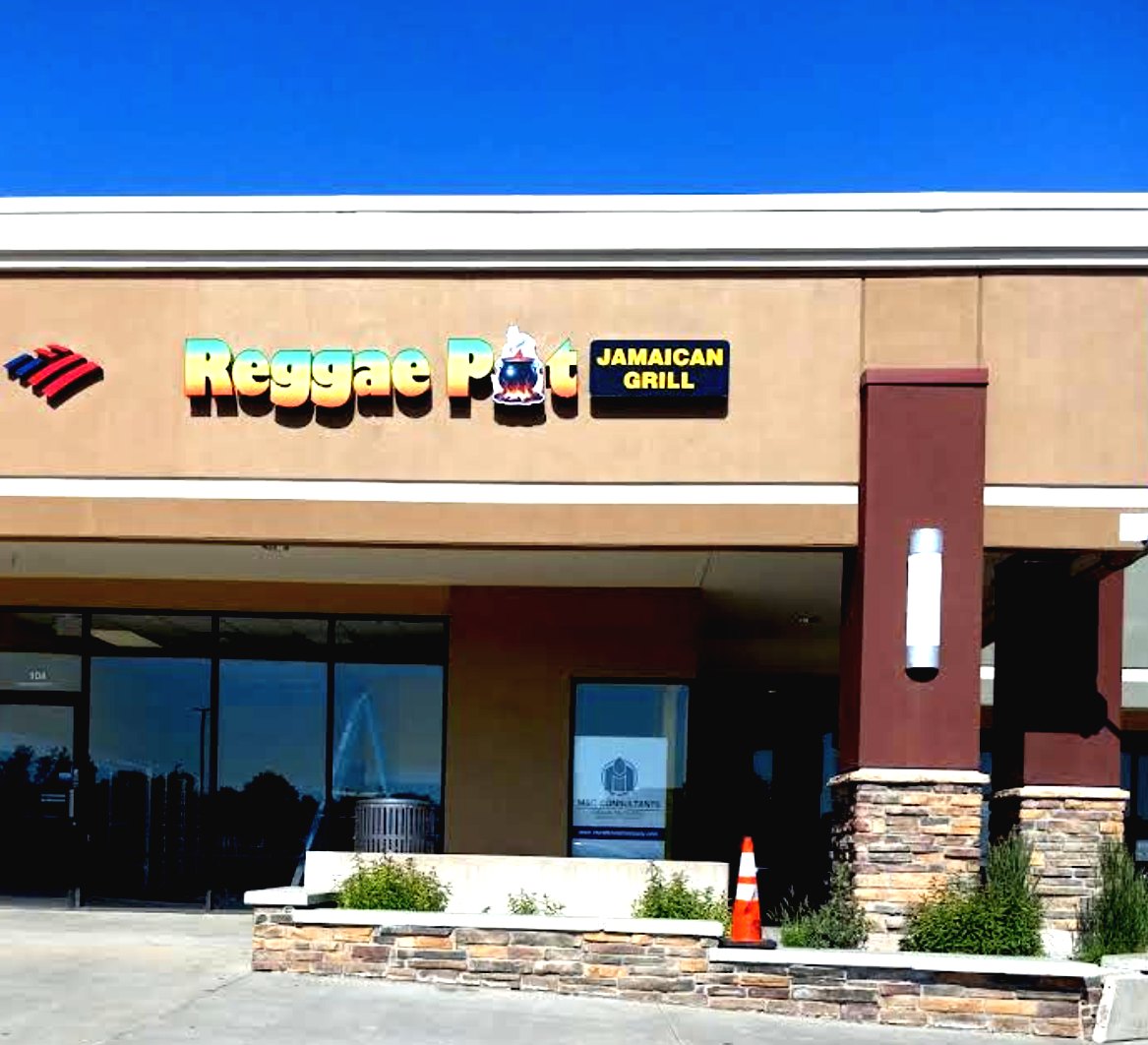
Reggae Pot Jamaican Grill
2243 S Monaco St Pkwy #104
Denver, CO 80222
+1 720-410-2956
FAQ About jamaican food
What is the best Jamaican food to try in Denver?
The best choice depends on your tastes. Popular options include jerk chicken, curry goat, slow-cooked oxtail, and savory patties. Reggae Pot lists these dishes on its menu, with sides such as rice and peas and plantains. Ask the Denver team about current availability and spice levels.
Is Jamaican food very spicy in Denver?
Heat varies by dish and preparation. Jerk seasoning often includes scotch bonnet peppers alongside herbs and allspice, while other dishes may have gentler seasoning. Ask about the heat of the specific dish and any sauce before ordering.
What are some popular Jamaican snacks?
Jamaican patties are a popular snack made with flaky pastry and savory meat or vegetable fillings. Other options include fried dumplings and festival, a sweet fried dough often served with savory dishes. Availability varies, so check the current menu when ordering.